EN
 NL
 BE
 DE
 FR

For a healthy city, climate-proof greenery
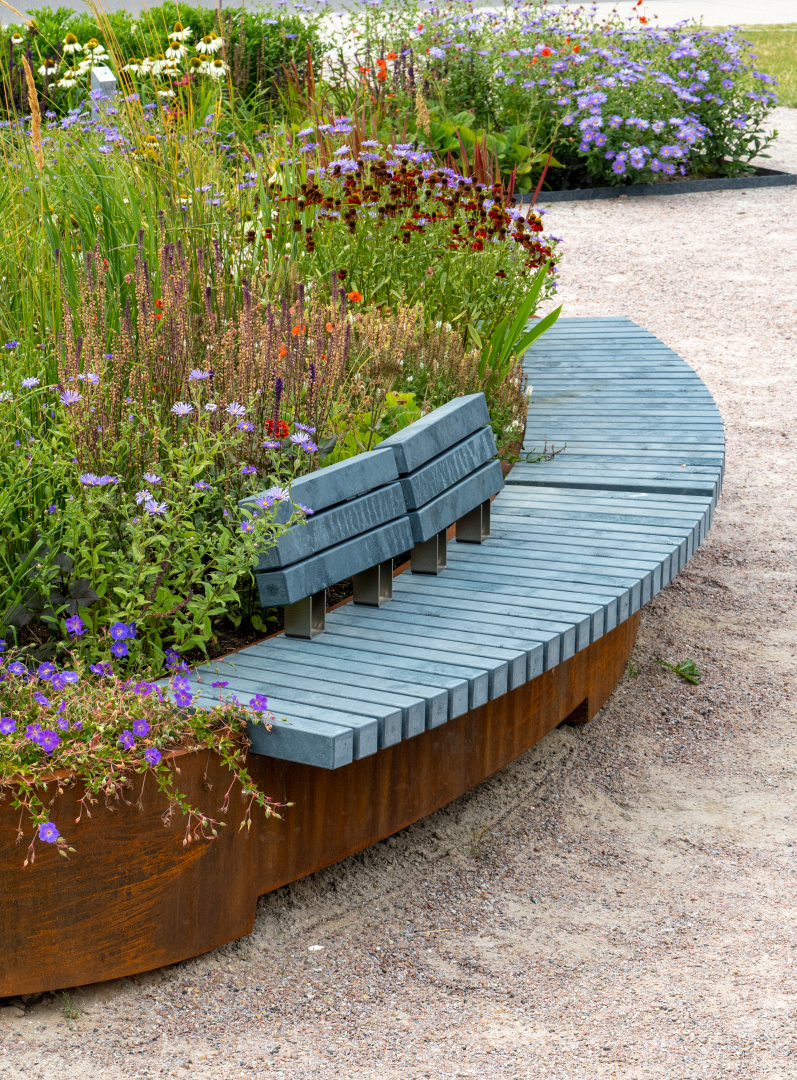
Climate-proof green space is crucial in cities due to increasing extreme weather events such as heat waves and heavy rainfall.
It strengthens cities’ resilience to climate change by reducing heat islands and preventing flooding. Greenery also contributes to better air quality and biodiversity, and helps restore natural ecosystems in urban areas. In short, climate-proof greenery is not only beautiful for residents, but also essential for sustainable, healthy and resilient cities.
Cool cooling plants
Keeps the city cool
Box planters contribute to cooling the city. All urban greenery cools by evaporation, with the total volume of greenery rather than the plant species determining the effect. Large plant beds are therefore an important part of climate-proof urban green space.
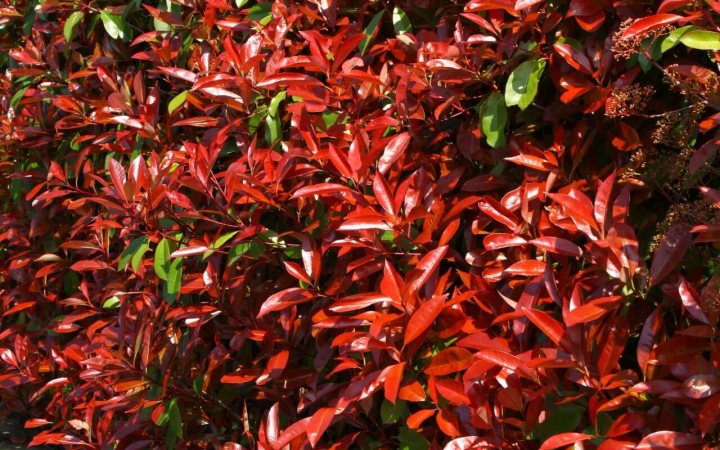
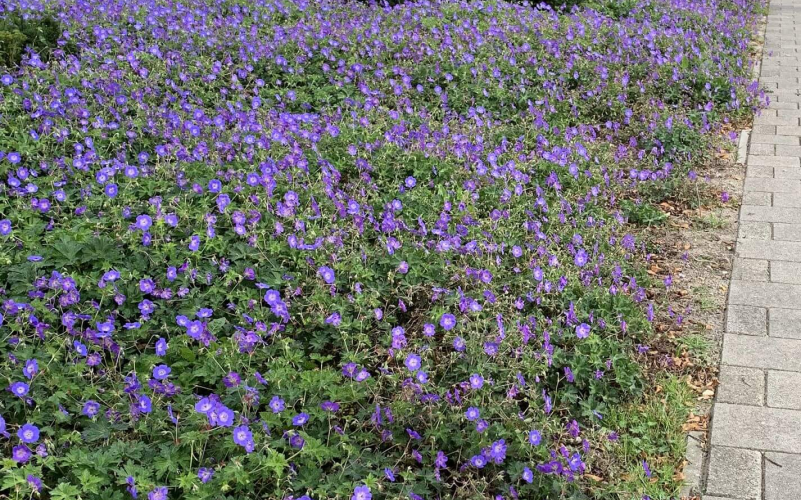
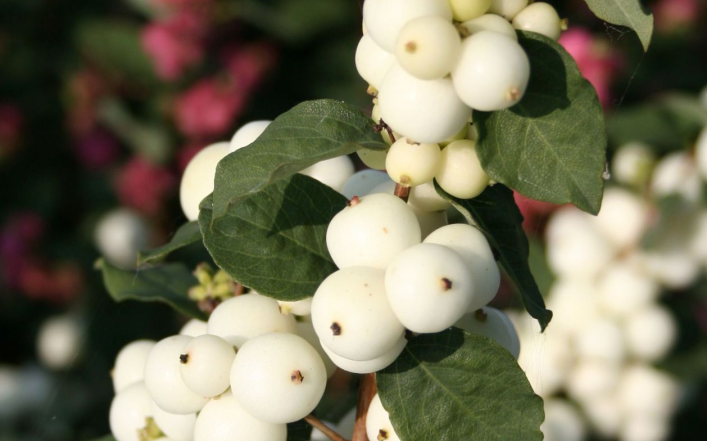
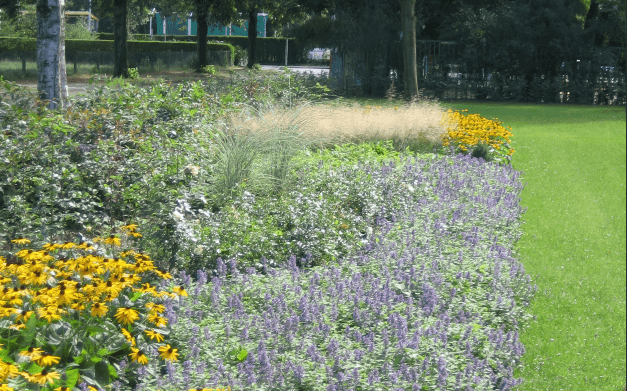
Well-sealed planting beds also keep the soil beneath them cool with their shade, reducing drying out and preventing excess heat from radiating out after sunset. Box plants with a fairly light colour or strong shiny leaves reflect the sun’s heat best.
Examples
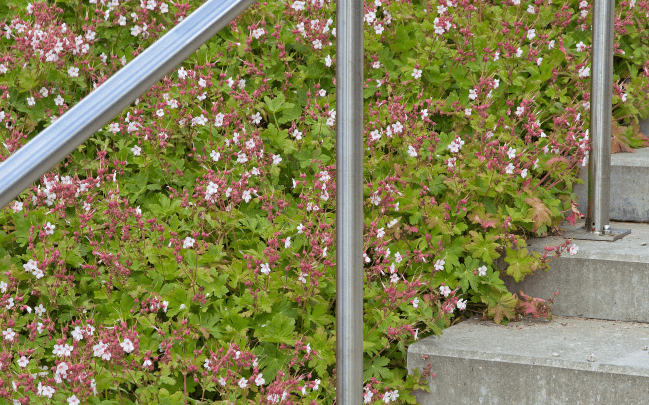
Examples of well-closing bedding plants, which are suitable for large beds in the sun and have reflective foliage




Drought tolerance
Tolerates long periods of drought
Due to climate change, we face longer droughts in summer and higher temperatures. Especially in places with highly permeable soil and a low water table, this places higher demands on the drought tolerance of plants than before. Nevertheless, there are many species for professional planting that can cope with this just fine, while maintaining their quality in dry summers. It helps if drought is also taken into account with the layout of the planting area. Plants survive drought better if they have a sufficient volume of rootable soil. The type of soil should retain enough water, for instance because it also contains organic matter or clay. Plants can withstand drought better if they spend part of the day in (semi-)shade.
Infiltration section
Keeps the street dry
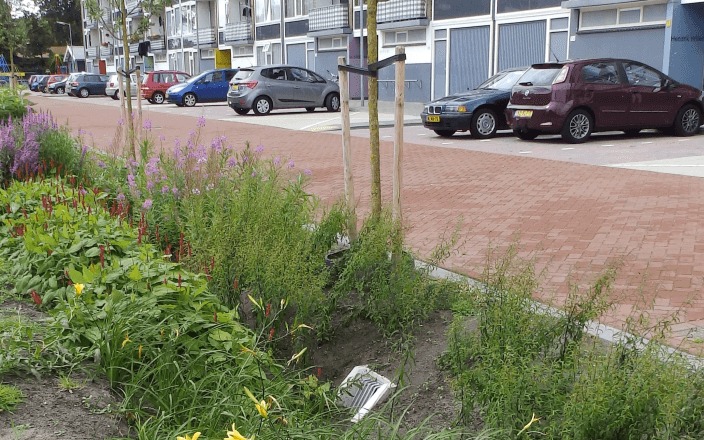
An infiltration section is a planting area in public spaces that also serves as peak storage for downpours. The soil is usually flat; it is not a ditch, like a wadi. It also does not receive water from e.g. roofs. The soil in the compartment should be moderately to well permeable to water. The compartment should be laid at ground level with the paving, or the curb should be lowered locally, so that during heavy rainfall the water runs into the compartment and does not flood the street. Plants in an infiltration section should have sufficient drought tolerance to grow on fairly well-drained soil. If water runs into the compartment, it may well remain above ground for more than 2 hours, so the plants must also be tolerant of short-term waterlogging, which occurs only after peak rains. On highly permeable (sandy) soils, waterlogging usually lasts so short that even plants with only drought tolerance can survive in an infiltration patch.
Examples
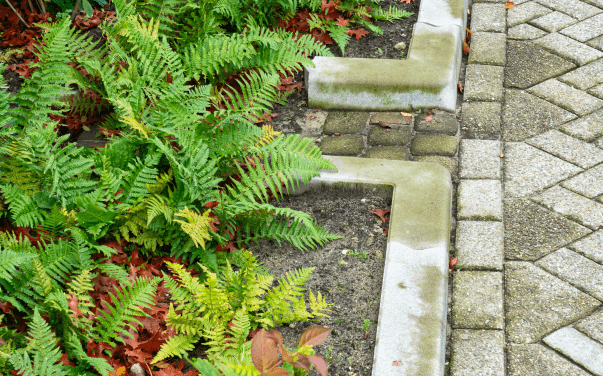
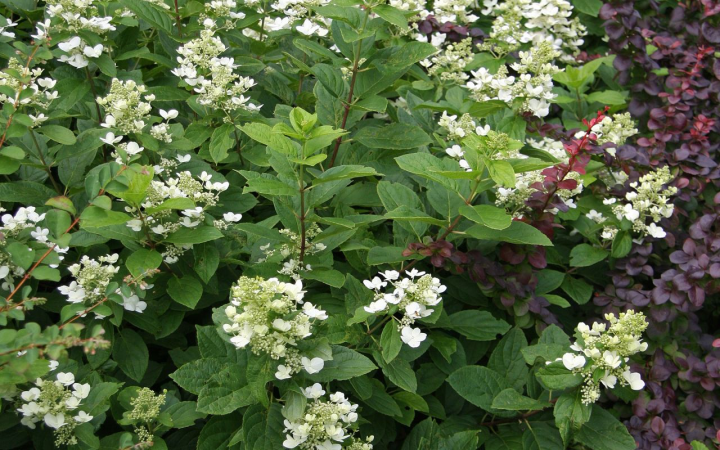
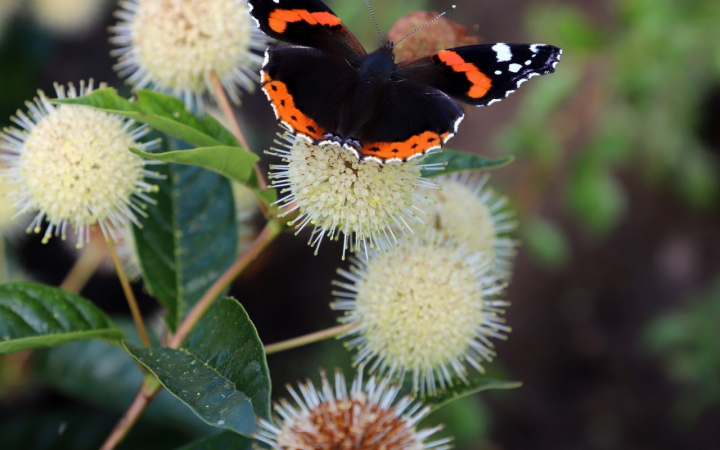
Examples of species suitable for strip planting or as (block) hedges in infiltration areas. They tolerate both moderate drought and short-term flooding


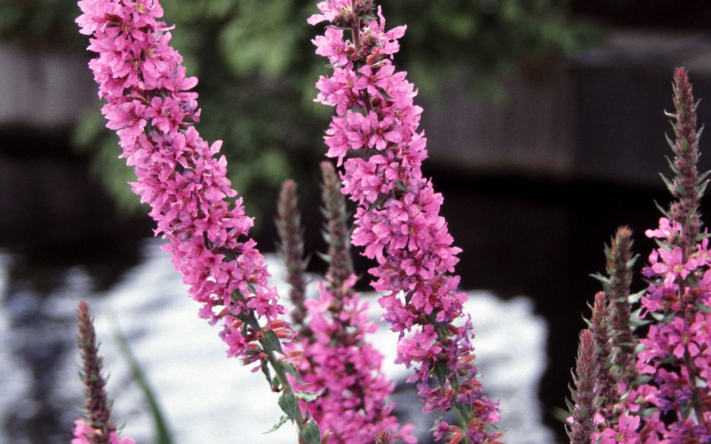


Bioswale
Catches rainwater and infiltrates
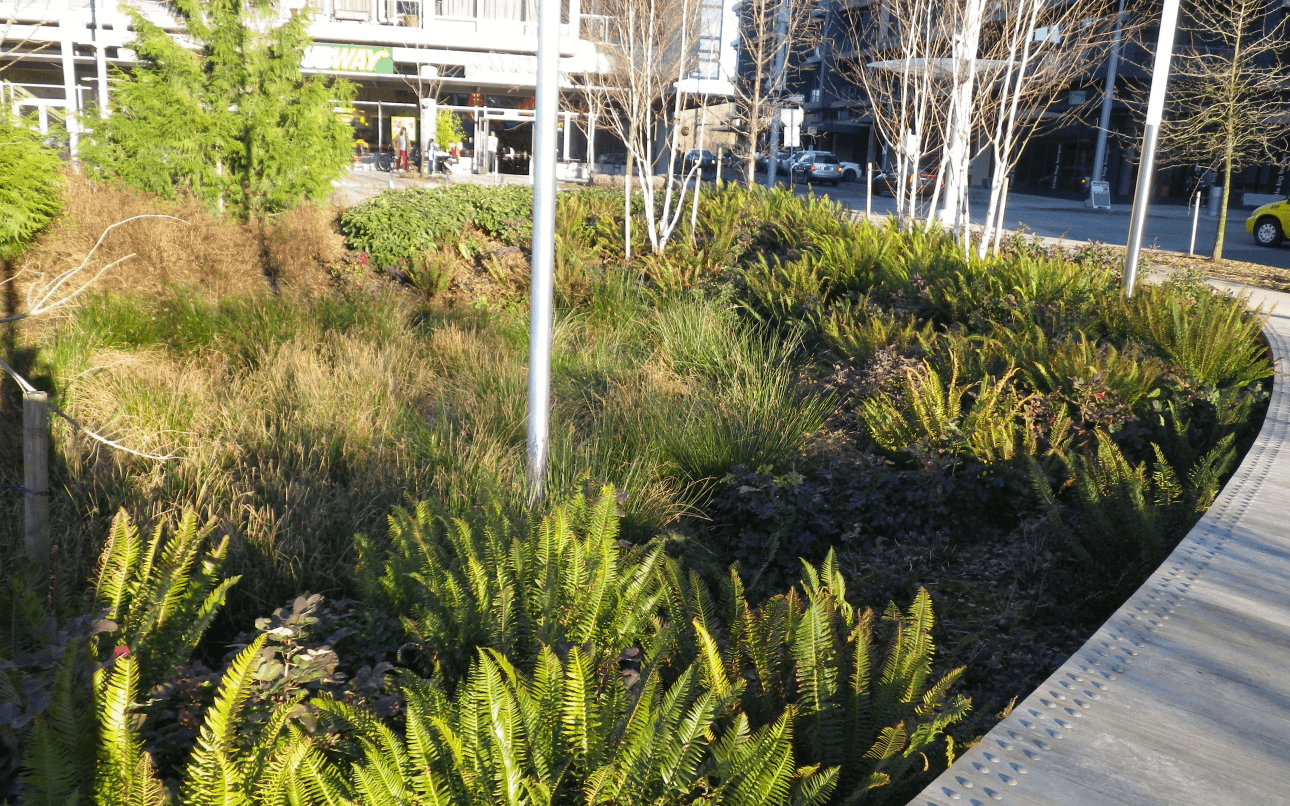
A wadi is a lowering (ditch) in public spaces, which serves to temporarily collect rainwater and allow it to infiltrate. Water from paving or roofs is often directed towards a wadi. Grass usually grows in wadis, but there are several plant species that can also be used to create plant beds with higher ornamental value in a wadi. Wadi planting has advantages:
– The wadi gets all the benefits of a planting area, such as ornamental value, biodiversity value and effects on health, wellbeing and property value.
– Larger evaporating plants than grass make the wadi dry again faster
– Planting roots and the soil life they attract keep the soil well-drained
– Plants absorb (manure) substances from the water and clean the
– Planting is a friendly way to keep children and dogs away from potentially contaminated water.
Bioswale plants should have tolerance to at least moderate drought; after all, they are in well-drained soil where it is dry when it is not raining. In addition, they should tolerate short-term waterlogging (several days). The same plants as mentioned for infiltration bays are suitable for shallow sections and embankments of wadis. In some cases, the wadi is deep, the soil has low permeability or water runs into it frequently and heavily. In that case, it is smart to use plants * on the wettest areas that can tolerate even long or frequent waterlogging, in addition to dryness.
Quality comes first at Boot & Dart.
We maintain high standards when it comes to our products, our advice, and our solutions.